Wed, Sep 12 2012
A few heavy hitters dominate the Apple accessory market, each with their own strengths and weaknesses. With the news of new hardware, you can bet a whole slew of product announcements from all of the top brands is soon to follow. Below we’ve broken down the big names by category and what they now bring to the table. With this data in hand, we can start to predict what each will bring to the table for the iPhone 5.
Cases
Speck
Speck cases are pretty widely noticeable, thanks to their ballsy graphics. Their cases manage to be rugged without getting in the way of normal operation. Functionality can be found throughout their catalog, but the biggest thing going for Speck is the straight up rubber case. As with most manufacturers, we don’t expect Speck to stray much from what they know – and what they’ve always done.

Incase
When it comes to design, Incase definitely has simplicity on its side. The Chino, CA company is known for dropping dozens of cases, all pretty simple in design, with only a few offering any function outside of general protection. Most of their lines follow a simple shell with different artwork or slight variations on patterning. This allows Incase to get new designs to market extremely fast.

CaseMate
CaseMate takes the kitchen sink approach to iDevice cases, but instead of reinventing the wheel, they choose to utilize artwork to increase their sku volume, with slight changes in features such as kickstands and phone charms. CaseMate does seem to be carrying the flag amongst other manufacturers with their custom case program, which allows users to upload their own artwork or photographs to be applied to an iPhone case. Customization is always a huge undertaking for a company, but well appreciated on the consumer end. I don’t see too much innovation coming from this camp, though I’m sure their current lines will be carried over.

Griffin
Another company with a huge catalog of products, Griffin makes a variety of accessories across the many iDevices. They are all over the map, and provide such a wide array of options that almost everyone can find a Griffin case fitting to their needs. With the array being so wide, I imagine a lot of their designs will simply be mirrored to work with the iPhone 5’s increased height and other changes.

Functional Cases
Otterbox
Otterbox has nailed the art of doing one thing and doing it well: They produce some of the most rugged cases out there, and have really positioned themselves as THE case to have if you want something that can take a beating. By now, they surely have some near-complete renders and their finger on the trigger at the tooling factory to adapt their iconic Defender cases to the new iPhone 5 form factor.

mophie
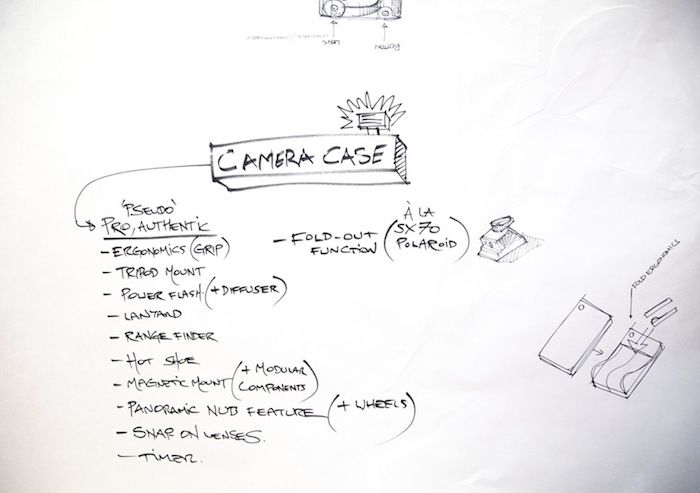
It blows my mind when people have a confused look on their face when I mention mophie. There is no real competition in the battery-on-board phone case market that can even come close to matching mophie’s style and function. Each new iPhone release has spawned more and more streamlined and aesthetically pleasing cases, all while increasing your phone’s battery life. I’m sure they have something amazing up their sleeve for the new iPhone design.

PowerMat
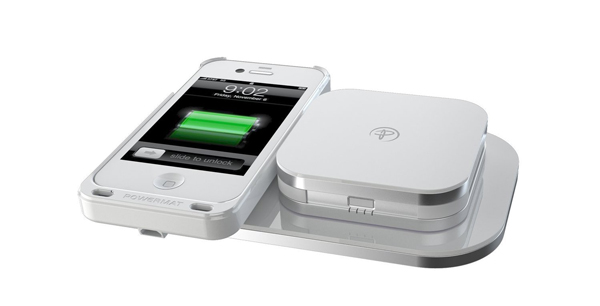
Wireless charging is something that’s still relatively new in the phone space. Of all the smartphones out there on the market, only Nokia’s new Lumia line will carry a SKU with this feature built in. The concept is simple: you set your phone on a mat and, through induction, it charges. PowerMat offers a solution for phones to take advantage of this technology by simply slapping on a case. For the iPhone 5, they will need to rework everything to accommodate not only the new form factor, but also the new “lightning” connector. PowerMat isn’t about to win any awards for aesthetics, but it pretty much owns the space and it doesn’t look like too many people are vying for their market share (outside of a few weak attempts from general accessory companies like Griffin).
LifeProof
When LifeProof first started marketing their line of functional cases, I really didn’t believe in what they were selling. The case had a super small footprint, and claimed to make your iPhone nearly indestructible. Providing protection against submersion, dust, snow, mud and impact, you’d expect something Otterbox-sized. Nevertheless, they delivered, and the company’s brand recognition is skyrocketing. Their last update launch for the 4S had a few stumbles, so it’ll be nice to see how they have learned from their past mistakes. The LifeProof case for iPhone 5 is likely to be my wife’s first purchase, as it is extremely kid-friendly.

Power/Cables
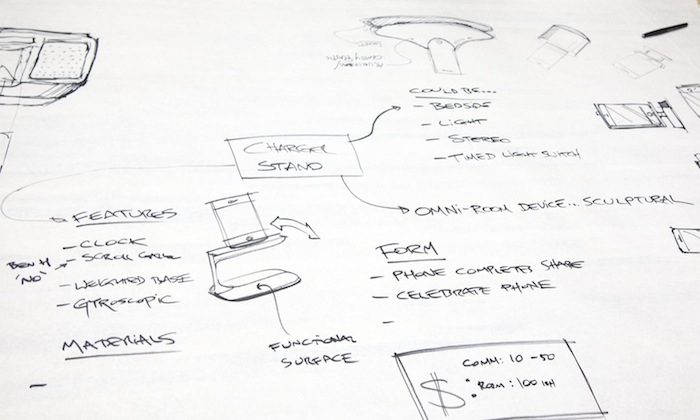
The 3 major players in the power-and-cable market (Griffin, Belkin and Philips) have the same things going for them: cash and distribution. You can be sure the new “Lightning” versions of their existing lineup of mobile and home chargers will be available almost immediately following the iPhone 5’s release. Recently though, there have been a few competitors trying to leverage innovative design to capture a piece of the pie. You can regularly find clever charging solutions on Kickstarter, and in the submission scroll on Quirky as well.
Audio
Bowers & Wilkins
As far as sound goes, it’s hard to beat Bowers & Wilkins. Every single curve and detail you find on one of their products, such as the Zeppelin Air, not only looks amazing but has a specific purpose as well. The curvatures in the design were specifically spec’d to help with sound dispersion without affecting range at any distance. This goes to show how detailed a company can get.

iHome/SDI Technologies
iHome is in a unique position with the launch of a new connector. Their products almost completely rely on the original dock connector, so anyone updating their iPhone will either need to buy an adapter, or buy a new alarm clock. Obviously, iHome hopes you choose the latter, but I think they really need to step up their offerings instead of just modifying their current line to work with the new connector – that is, if they want people to whip out their credit cards. iHome has ruled the iDevice alarm clock market forever, but outside of LEDs and shape changes, few true innovations have been seen coming from their camp lately.

App-Enabled Hardware
App-Enabled hardware is a sector that could potentially get hit hard with a new connector. Those who opted to connect to iDevices directly, as opposed to via Bluetooth, will either need to update their hardware or rely on adapters.
Lark
Having opted for Bluetooth over dock-connected syncing and a standalone charger, Lark is ready to kick ass right out of the gate. The don’t-wake-your-spouse alarm band vibrates to wake you based on alarms stored on your iPhone. They won’t be affected by new hardware, but can still take advantage of it should they decide to enter any more markets.

Square
Square is an interesting case. For those not familiar, the company allows you to process credit cards with your iPhone. They provide you with a small card-swiping device that you plug into the headset port of your phone. Although they didn’t opt to utilize the dock connector for their credit card swiping dongle, the fact that the new iPhone has a relocated headphone jack could affect usage in some instances. You will now have to rotate the card reader 90 degrees to be able to swipe cards while charging the phone. Not a dealbreaker by any means, but something Square is likely trying to develop against as we speak.